

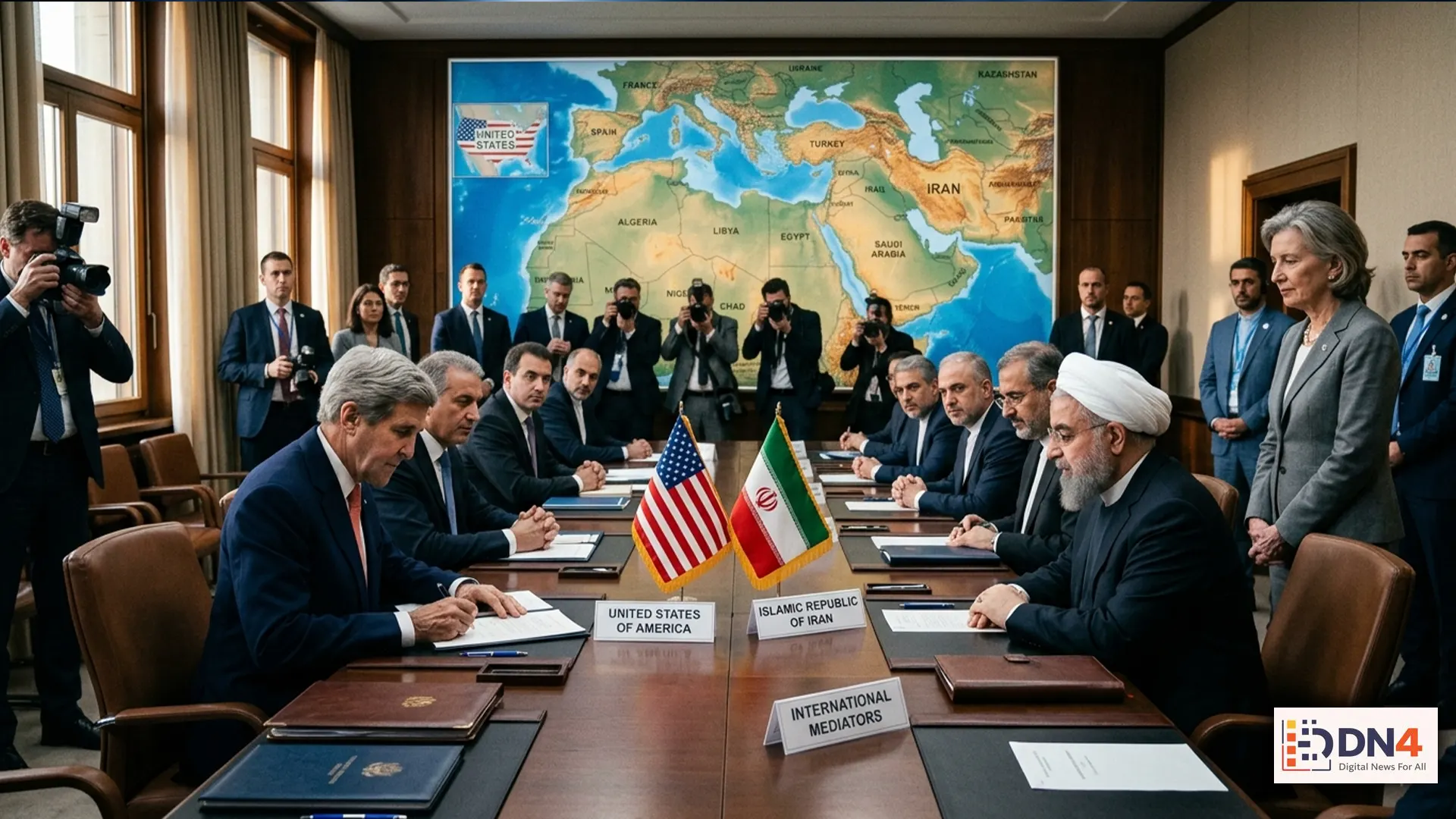
The announcement of a new ceasefire framework between the United States and Iran has created one of the most significant diplomatic moments in recent Middle East history. The agreement, described by officials as a permanent end to military operations, represents an attempt to move from confrontation toward negotiations, economic stabilization, and regional security. However, major questions remain about implementation, trust, and long-term commitments.
Reports indicate that the agreement includes an end to active military operations, steps toward reopening the Strait of Hormuz, and a negotiation period addressing unresolved issues such as Iran’s nuclear program and sanctions. The framework was announced with mediation efforts involving Pakistan and other regional partners.
Why the June 14 Agreement Matters
The U.S.-Iran relationship has been shaped by decades of political tension, economic sanctions, and disputes over regional influence and nuclear capabilities. Any agreement between Washington and Tehran carries consequences far beyond the two countries, affecting global energy markets, diplomatic alliances, and security calculations.
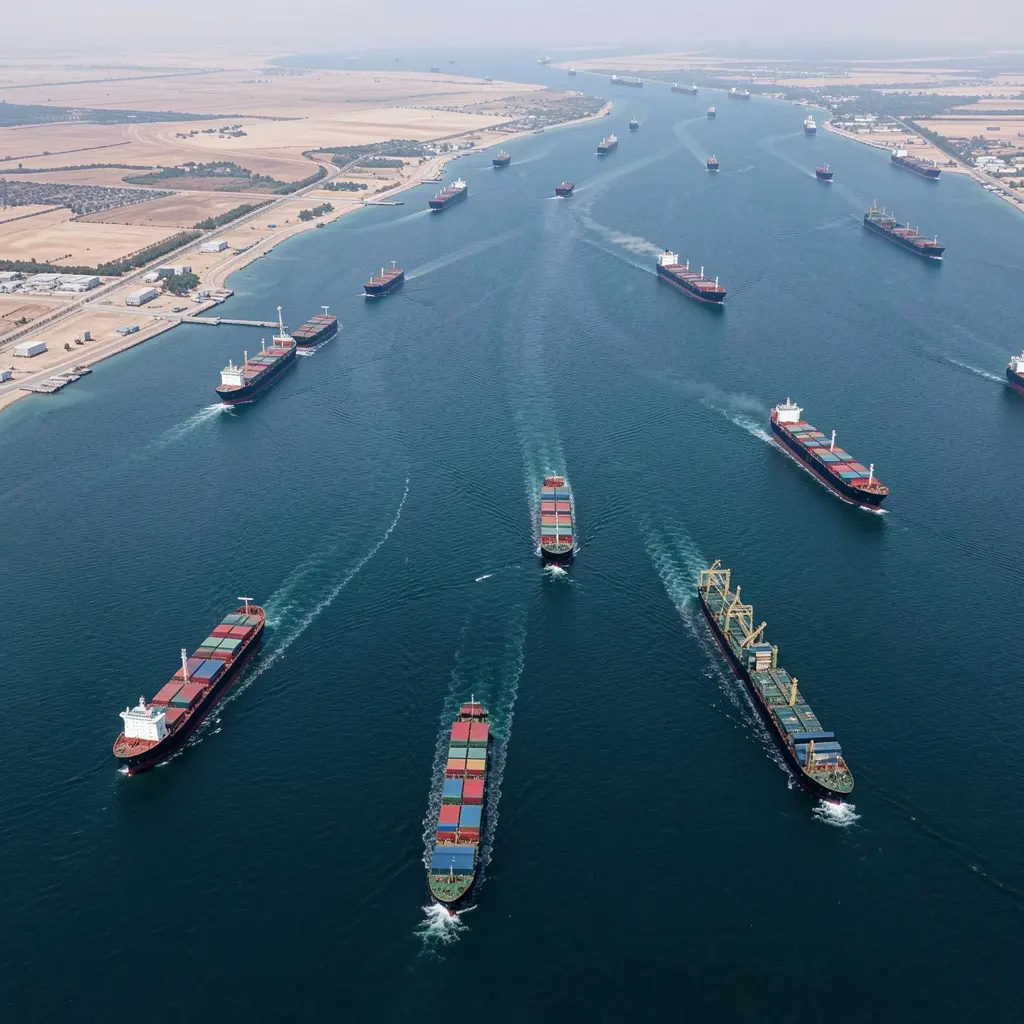
The reopening of the Strait of Hormuz is considered a major economic factor because the waterway plays a critical role in global oil transportation. Stability in this region could influence energy prices and international trade.
The Role of Diplomacy and Verification
Officials have described the ceasefire as a major breakthrough. But analysts note that lasting peace depends on verification mechanisms and continued negotiations. The next phase is expected to address complex issues, including sanctions relief and Iran’s nuclear activities.
International organizations such as the United Nations often play an important role in supporting diplomatic frameworks, humanitarian cooperation, and conflict resolution efforts.
Nuclear Negotiations Remain the Biggest Challenge
The nuclear issue remains one of the most sensitive parts of the agreement. The ceasefire reduces immediate military tensions. But long-term stability depends on whether both sides can reach a workable arrangement regarding Iran’s nuclear program.
The International Atomic Energy Agency has historically been involved in monitoring nuclear activities and supporting international verification efforts.

Economic Impact and Global Energy Markets
A sustained ceasefire could have major economic implications. Reduced geopolitical risk may improve energy market stability, encourage investment, and lower concerns about disruptions in global oil supply.
Organizations such as the International Energy Agency monitor global energy developments and assess how geopolitical events affect supply and demand.
Political Challenges Ahead
Despite diplomatic optimism, agreements between historic rivals often face domestic opposition. Political groups in both countries may challenge compromises they consider unfavorable. That resistance could make implementation one of the agreement’s most important tests.
Experts from organizations such as the Atlantic Council have highlighted that the details of the agreement and future negotiations will determine whether the ceasefire becomes a lasting diplomatic achievement.
The June 14 U.S.-Iran ceasefire agreement represents a historic opportunity to replace military confrontation with diplomacy. The agreement’s success is far from guaranteed. It will depend on transparency, verification, political commitment, and the ability of both nations to resolve long-standing disputes.
The coming months will be decisive. The ceasefire could be permanent or fleeting. Whether it builds lasting regional stability or fades like those before it remains to be seen.
#USIran #CeasefireAgreement #MiddleEastPeace #IranDeal #GlobalDiplomacy #StraitOfHormuz #EnergyMarkets #WorldNews #Geopolitics