

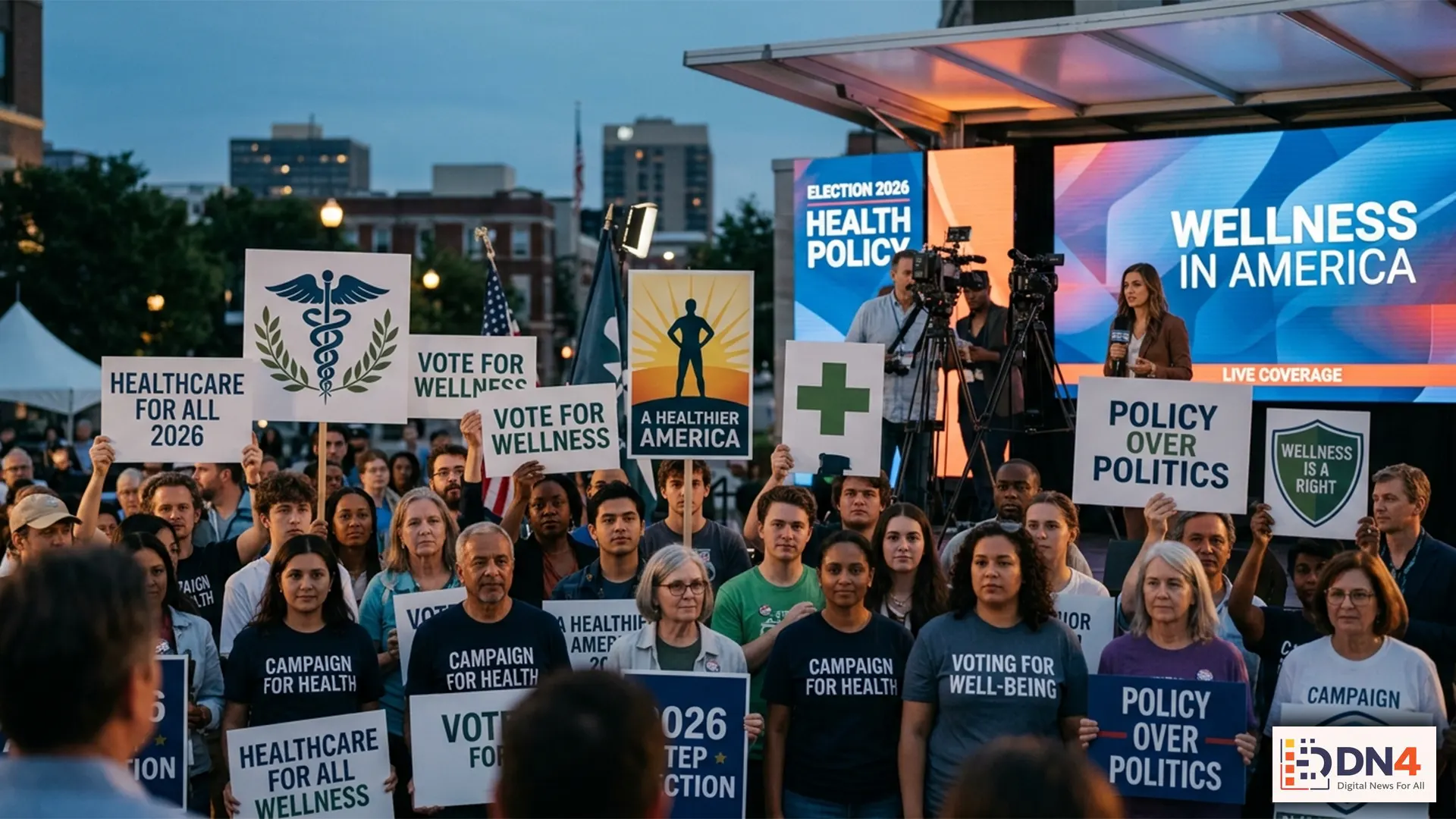
As the 2026 election cycle develops, healthcare and wellness issues are becoming increasingly important topics among Republican voters. One emerging political trend is the growth of the “Make America Healthy Again” (MAHA) movement, which focuses on questions surrounding nutrition, chronic disease, healthcare systems, and government health policies.
The movement has gained attention by connecting public health discussions with broader conservative themes, including individual choice, government accountability, and concerns about healthcare costs.
What Is the MAHA Movement?
The MAHA movement represents a political and cultural push centered around improving national health outcomes. Supporters often highlight issues such as chronic disease prevention, food quality, transparency in health research, and changes to healthcare regulation.
The movement has attracted interest from voters who believe health policy should become a larger part of political debate.
Organizations such as the Centers for Disease Control and Prevention continue tracking national health trends, including chronic disease rates and public health challenges.
Why Health Issues Are Becoming Election Priorities
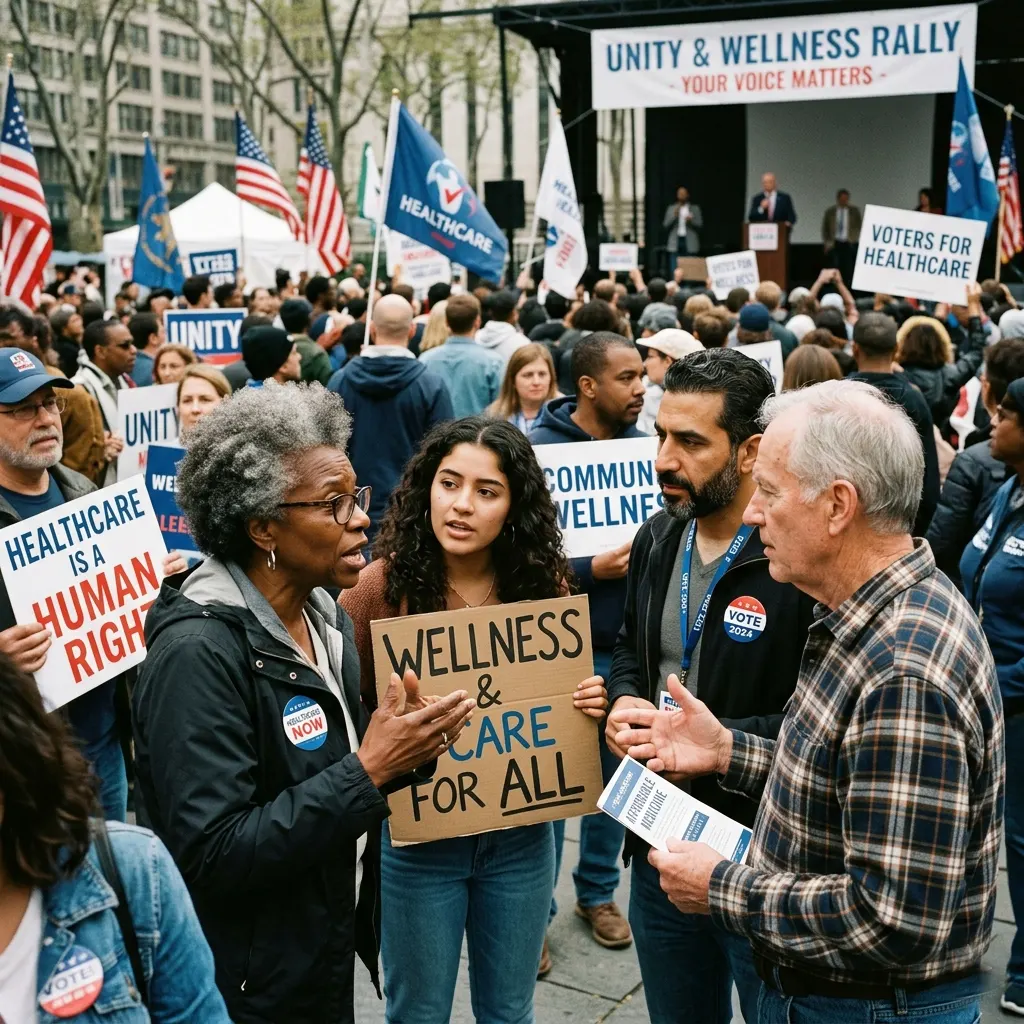
Healthcare has historically been a major issue in U.S. elections. Rising medical costs, prescription prices, and concerns about long-term health outcomes remain important concerns for many voters.
According to research from the KFF healthcare policy research organization , healthcare affordability continues to influence voter opinions and political discussions.
The Role of the MAHA Movement in GOP Primaries
Republican candidates are increasingly paying attention to health-focused voters as the party debates its future policy direction. Candidates who address wellness, healthcare costs, and regulatory questions may appeal to voters looking for alternatives to traditional healthcare approaches.
The movement also reflects a wider trend where cultural issues, lifestyle choices, and personal health decisions are becoming connected with political identity.
Challenges Facing the Movement
While health policy attracts broad public interest, debates remain around scientific evidence, regulation, and the role of government in healthcare decisions.
Political movements centered on healthcare must balance public concerns with complex medical, economic, and scientific considerations.

How the Trend Could Shape 2026
The MAHA movement may influence campaign messaging, primary debates, and voter engagement strategies. Candidates who successfully connect healthcare concerns with broader economic and social priorities could gain support among key voter groups.
Political analysts will continue watching whether the movement develops into a lasting policy influence or remains primarily a campaign theme.
The Future of Health Politics
Healthcare is likely to remain one of the defining issues in American politics. As voters focus more on prevention, affordability, and quality of life, health-related policy debates may play a larger role in future elections.
The rise of the MAHA movement highlights a changing political landscape where health and wellness are becoming central election topics. As the 2026 GOP primaries progress, candidates will compete to define the future direction of healthcare policy.
- Federal Election Commission
- Pew Research Center Politics
- U.S. Congress Legislative Information
- National Institutes of Health
#MAHA #2026Elections #GOPPrimaries #USPolitics #HealthPolicy #ElectionTrends #PoliticalNews #HealthcareDebate #VoterTrends