

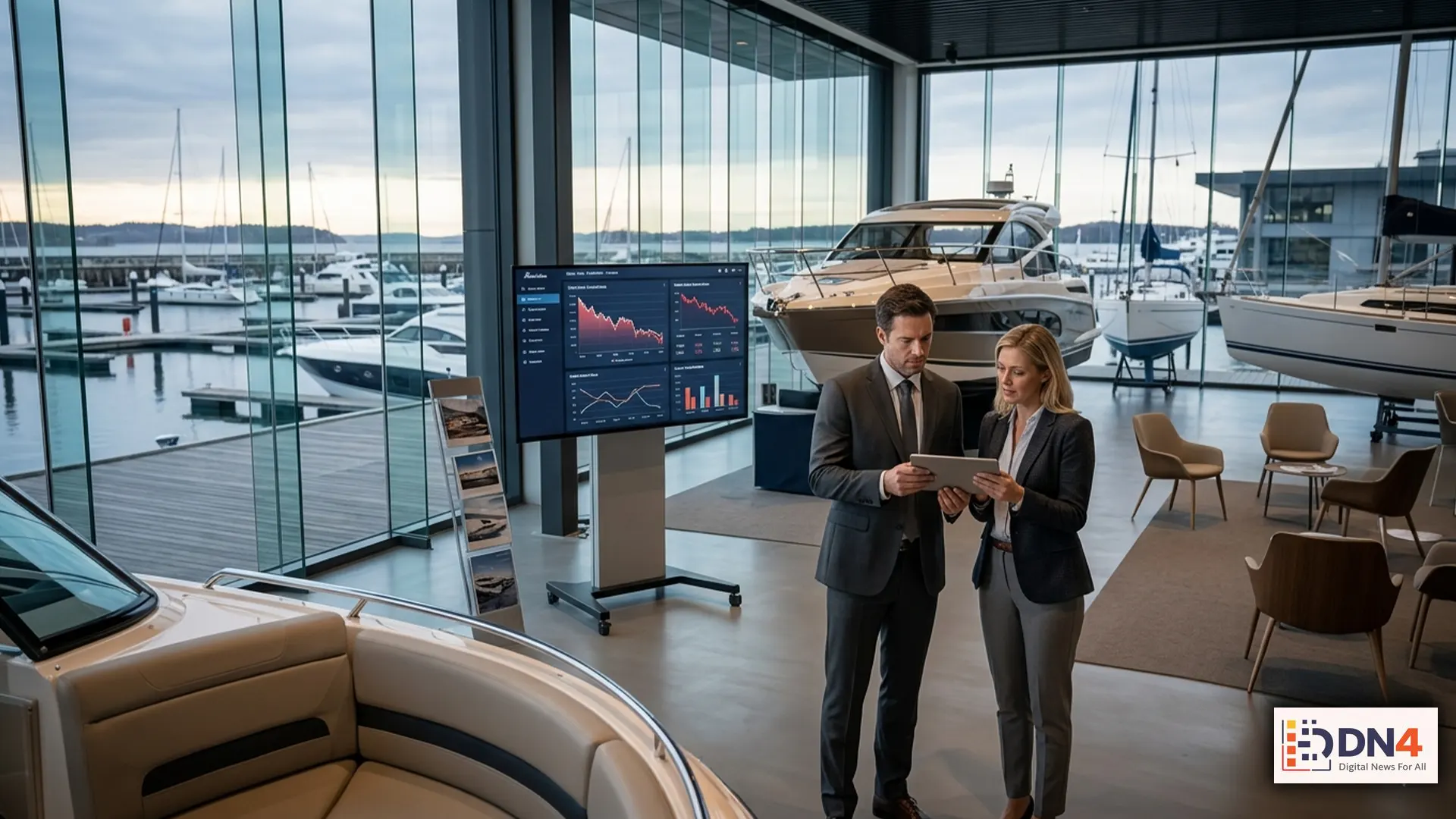
The boating industry has traditionally represented luxury, freedom, and premium leisure experiences. However, changing consumer priorities, economic uncertainty, and the rise of digital shopping are reshaping the future of marine retail. The challenges surrounding West Marine have become a symbol of a much larger transformation affecting luxury lifestyle businesses.
For decades, marine retailers benefited from strong demand among affluent customers purchasing boats, accessories, navigation equipment, maintenance supplies, and recreational products. Today, higher ownership costs, changing interest rates, and shifting definitions of luxury are forcing companies to rethink how they attract and retain customers.
Why the Boating Market Is Facing New Challenges
The recreational boating sector depends heavily on consumer confidence. When economic uncertainty increases, buyers often postpone large discretionary purchases such as boats, yachts, and premium marine equipment.
According to market information from the National Marine Manufacturers Association, boating demand is closely connected with overall economic conditions and consumer spending patterns.
Another major factor is changing luxury behavior. Many high-income consumers are increasingly prioritizing experiences such as travel, adventure, wellness, and flexible lifestyle services instead of purchasing expensive physical assets.
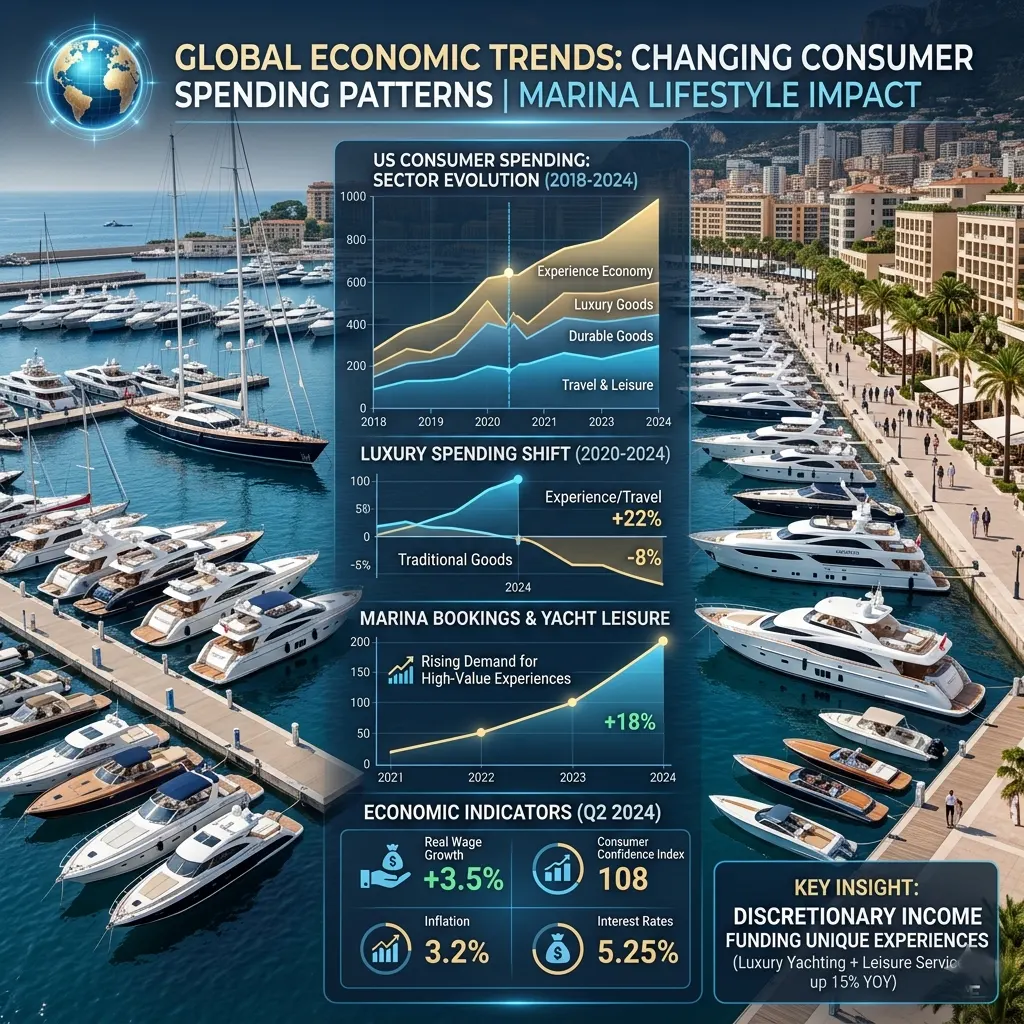
Digital Commerce Is Changing Marine Retail
Traditional specialty retailers are facing increasing pressure from online platforms. Modern customers research products online, compare prices, check reviews, and expect fast purchasing experiences before making high-value decisions.
Companies like Amazon have transformed consumer expectations across many industries by improving convenience and accessibility. Marine businesses must now combine specialized product knowledge with strong digital platforms.
How the Boating Industry Can Adapt
The challenges facing West Marine highlight a broader question: how can companies selling premium lifestyle products remain competitive in a changing economy?
Future-focused marine businesses may need to invest in:
- Advanced e-commerce platforms
- Personalized customer experiences
- Flexible boat ownership models
- Digital maintenance services
- Premium membership programs
Organizations such as the Boat Owners Association of The United States continue providing resources for boat owners while the industry adapts to new consumer expectations.

The Future of Luxury Leisure Spending
The boating industry is not disappearing, but the traditional ownership model is changing. Consumers increasingly want convenience, customization, and long-term value from premium purchases.
Companies that successfully combine marine expertise with technology and customer-focused services may discover new growth opportunities in the evolving luxury market.
Lessons for Retailers and Investors
The boating retail crisis demonstrates how changing consumer behavior can affect established industries. Investors and business analysts tracking corporate restructuring can review official company information through the U.S. Securities and Exchange Commission.
Additional industry analysis can be found through Boating Industry Magazine, which covers developments across marine manufacturing, retail, and services.
West Marine’s Chapter 11 situation represents more than a single retail challenge. It reflects a broader shift in luxury spending where consumers are becoming more selective and businesses must innovate.
The future winners in boating retail will likely be companies that successfully blend traditional marine expertise with digital convenience, personalized services, and modern consumer expectations.
#WestMarine #BoatingIndustry #RetailCrisis #LuxurySpending #MarineIndustry #ConsumerTrends #BusinessNews #RetailTransformation #FutureOfRetail