

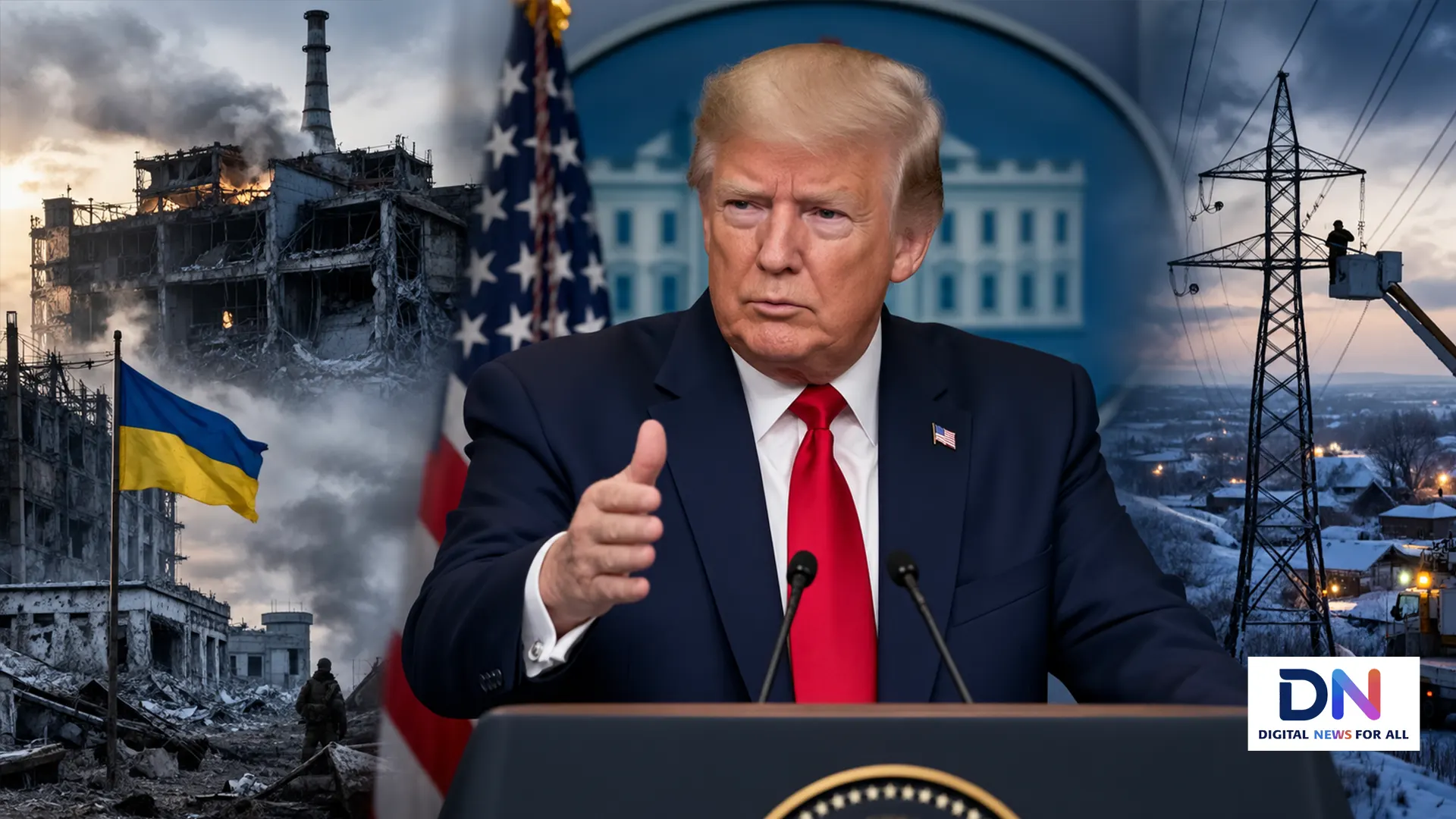
President Donald Trump’s announcement of a Russia-Ukraine energy truce has sparked a debate over diplomacy, credibility, and the political consequences of an unconfirmed agreement. On October 11, 2026, Trump said both countries had agreed to stop attacking each other’s energy infrastructure. However, Ukrainian officials said they had not received confirmation of a Russian commitment, leaving the status of the proposed truce uncertain.
The dispute matters as winter approaches and attacks on electricity and heating infrastructure threaten civilians. It also raises questions about how Washington’s foreign policy, fuel prices, and the war could affect American voters ahead of the November midterm elections.
What Did Trump Actually Announce?
Trump declared that an energy ceasefire was effective immediately. Ukrainian President Volodymyr Zelenskyy subsequently said Ukraine was prepared to stop attacking Russian energy facilities if Moscow reciprocated.
According to Axios’s reporting, Zelenskyy said the announcement was news to him and asked for clarification about when the arrangement would begin. The Kremlin had not publicly confirmed a clear agreement.
That distinction is important. An announcement by one leader does not establish that both governments have accepted the same terms or implemented them.
Why Continued Attacks Matter
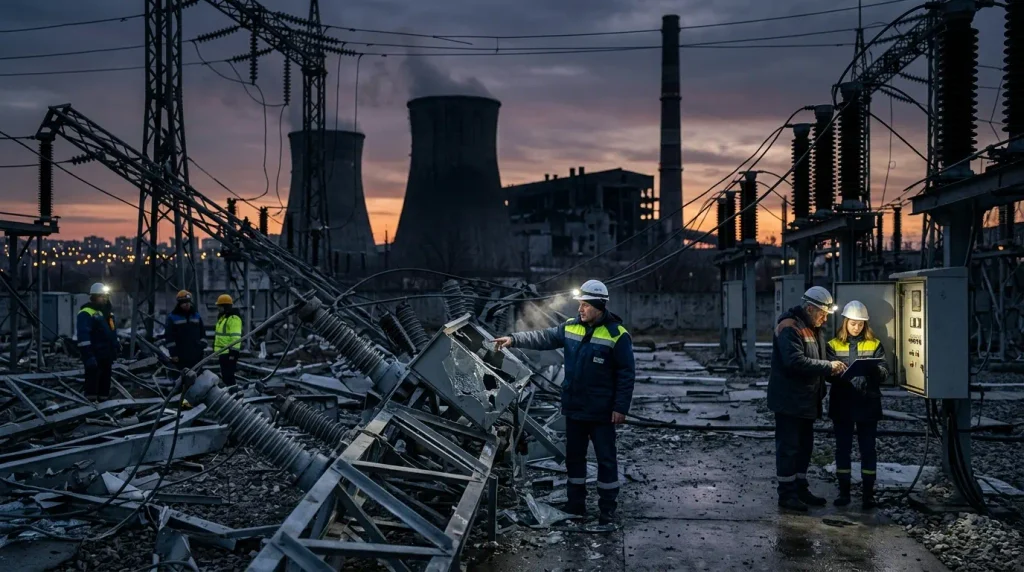
Ukraine reported further Russian strikes on energy facilities following Trump’s announcement. On October 12, Zelenskyy said Moscow had provided no commitment to stop attacks. S&P Global’s energy coverage reported Kyiv’s position and concerns about damage to energy infrastructure.
On October 13, Reuters reported that Russia had avoided energy targets overnight for the first time since Trump’s announcement, although attacks on other infrastructure continued. Whether this represented a durable change remained unclear.
The available evidence therefore supports a distinction between an announced truce and a verified, sustained ceasefire.
Why American Voters Are Divided
For some Americans, any credible pause in attacks offers hope of reducing casualties and opening a path toward negotiations. Others question whether declaring a deal without publicly established terms risks undermining confidence in US diplomacy.
Energy prices add another dimension. The administration has linked Russian diesel supplies and restrictions on Ukrainian strikes against Russian refineries to efforts to ease fuel costs. Critics question whether such measures would deliver meaningful relief while creating economic or strategic advantages for Moscow.
The International Energy Agency provides independent analysis of global energy markets, while the US Energy Information Administration tracks petroleum prices, supply, and consumption.
What Happens Next?
The central questions are whether Russia formally accepts the proposed restrictions, whether Ukraine receives credible guarantees of reciprocity, and whether attacks on energy infrastructure decline over time.
The United Nations provides continuing coverage of international diplomacy and the humanitarian consequences of the war. Independent verification of military developments remains essential because statements from governments involved in the conflict may present competing accounts.
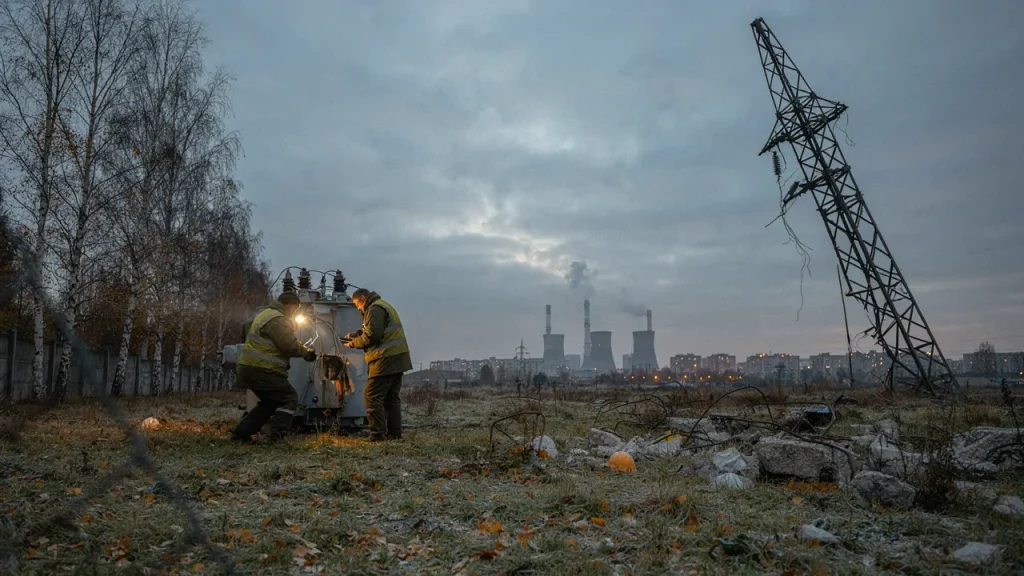
Calling the announcement a lie assumes intent that available evidence alone cannot establish. What can be established is that Trump’s declaration was not accompanied by clear, publicly confirmed agreement terms from both sides.
For voters, the issue is whether diplomatic claims translate into verifiable results. A sustained reduction in attacks would provide stronger evidence of progress than an announcement alone. Until the terms and implementation are clear, the proposed energy truce remains an uncertain development in a war with significant humanitarian, economic, and political consequences.
#RussiaUkraineWar #Trump #Ukraine #EnergySecurity #WorldNews #USPolitics #Geopolitics