

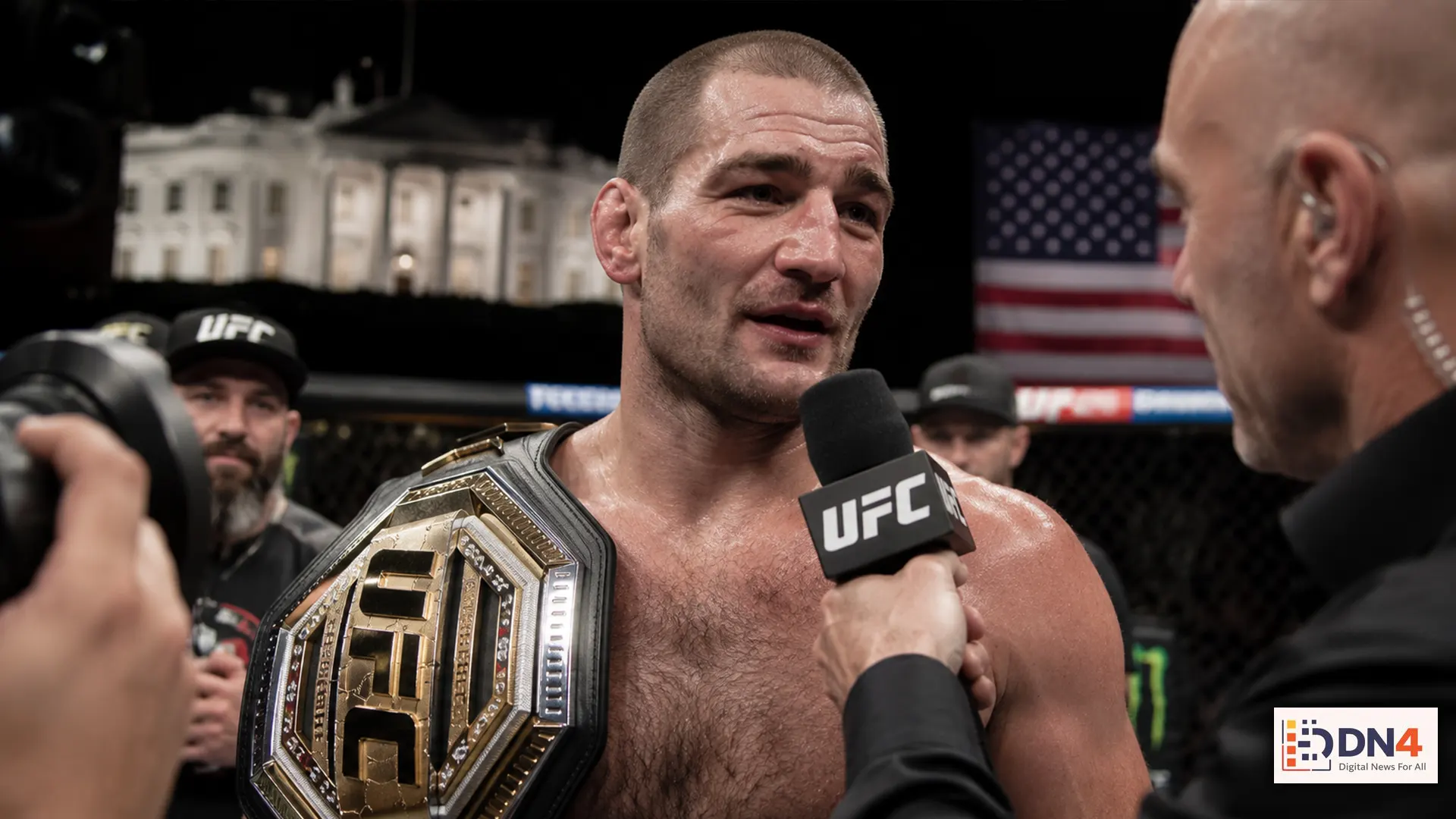
Sean Strickland has built a reputation as one of mixed martial arts’ most outspoken personalities. Known for his aggressive fighting style and controversial public comments, the UFC champion has often created headlines beyond the Octagon. His recent claim that he was banned from attending a White House event has renewed discussions about athlete personalities, free expression, and the relationship between sports figures and public institutions.
Strickland’s outspoken approach has made him both a popular and polarizing figure among MMA fans. His career inside the Ultimate Fighting Championship (UFC) has been marked by championship success, intense interviews, and a willingness to discuss topics that many athletes avoid.
Why Sean Strickland Creates Strong Reactions
Modern sports stars are no longer judged only by their performances. Social media, interviews, podcasts, and digital platforms have transformed athletes into public personalities with influence far beyond competition.
Strickland’s direct communication style has attracted a large following, but it has also generated criticism from people who believe athletes representing major organizations must consider the impact of their public statements.
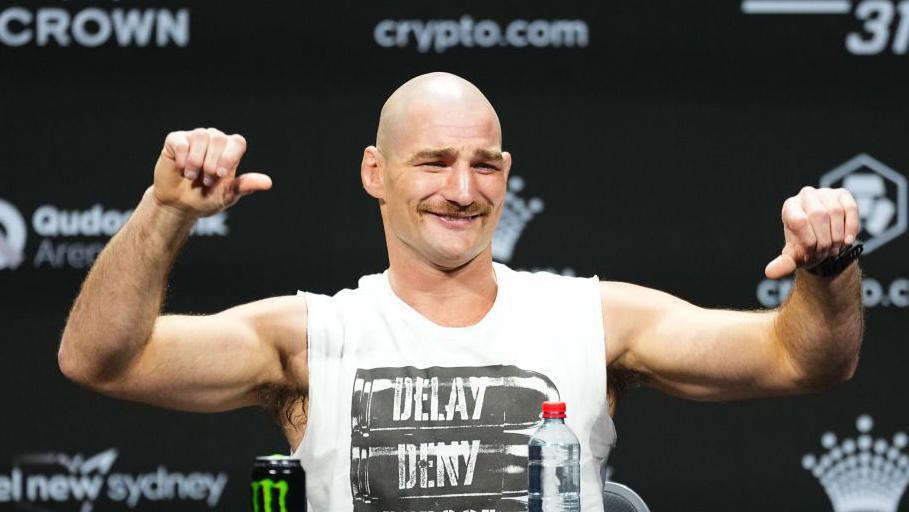
The White House Event Controversy
The controversy surrounding Strickland’s claim reflects a broader discussion about who gets invited to major public events and how personal opinions affect professional opportunities.
The White House has historically hosted athletes, championship teams, and cultural figures as part of national recognition ceremonies. Information about official White House events and guest appearances is available through the official White House website.
While Strickland has publicly discussed his belief that his outspoken nature influenced his invitation status, debates continue about the balance between personal expression and public representation.
MMA Culture and the Rise of the Controversial Athlete
Mixed martial arts has always included strong personalities. Unlike some traditional sports where athletes maintain carefully controlled public images, MMA fighters often build their brands around authenticity, confidence, and confrontation.
Organizations such as ESPN MMA frequently cover the personalities, rivalries, and stories that make combat sports unique.
How Social Media Changed Athlete Influence
Platforms such as YouTube and other digital channels allow fighters to communicate directly with fans without traditional media filters.
This new environment creates opportunities for athletes to build personal brands but also increases scrutiny over their statements and public behavior.
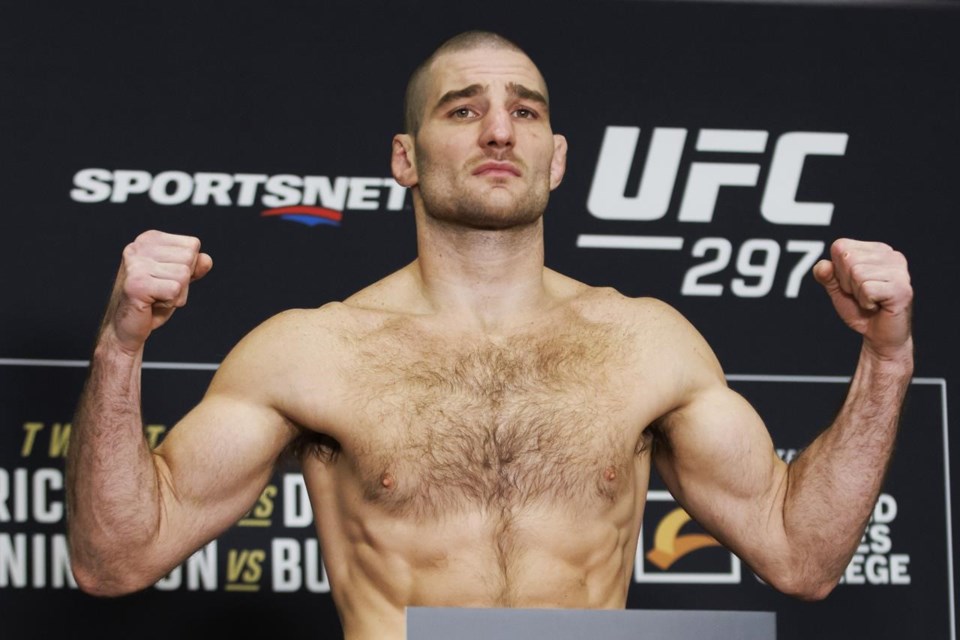
The Business Side of Controversy
Controversial personalities can create significant attention for sports organizations. Increased media coverage, fan discussions, and online engagement often contribute to an athlete’s marketability.
Industry analysis from organizations such as Forbes Sports highlights how modern athletes increasingly operate as independent brands.
What Strickland’s Situation Represents
The debate surrounding Sean Strickland’s White House claim represents a larger cultural conversation about athletes, politics, entertainment, and personal expression.
Sports figures are gaining larger public platforms than ever before. Questions about responsibility, authenticity, and reputation management will continue shaping the future of professional athletics.
Sean Strickland’s claim about being banned from the White House highlights the complicated relationship between outspoken athletes and public institutions. Whether viewed as controversy or authenticity, his situation demonstrates how modern fighters are no longer defined only by what happens during competition.
In today’s sports environment, personality, communication, and public image have become just as influential as athletic performance.